Lubricant Myths, Gently Debunked
If you only ever learned one thing about lubricant, it was probably wrong. A clear, friendly guide to choosing well — water-based vs silicone, pH, glycerin and more.
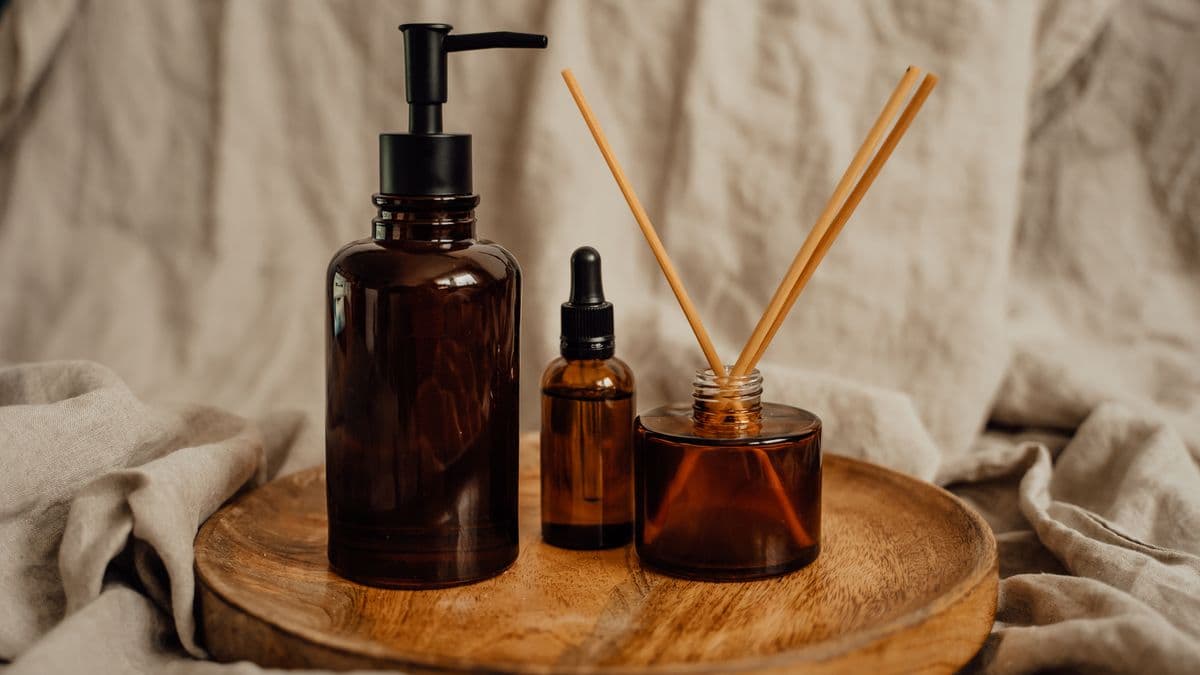
Lubricant is one of the most useful — and most misunderstood — things in the intimate-wellness world. Before you can work out how to choose a lubricant that actually suits you, it helps to clear away the myths that get in the way. So let's do that, kindly.
Myth 1: "Needing lubricant means something is wrong with me"
This is the big one, so let's retire it first. Natural lubrication varies with your cycle, your stress levels, your hydration, certain medications (including some contraceptives and antihistamines), pregnancy, postpartum and menopause. None of it is a verdict on your desirability.
Using lubricant is not a workaround for a problem. It's simply choosing comfort — the way you'd choose a good moisturiser without assuming your skin had failed you.
Myth 2: "All lubricants are basically the same"
They really aren't, and the differences matter.
Water-based is the all-rounder. It's the most versatile, works with condoms and every toy material, and rinses away easily. Our Silk Water-Based Glide is a glycerin-free everyday example. The trade-off: it can dry out a little sooner, though a few drops of water revive it.
Silicone-based is silky and long-lasting, and lovely in water. The one rule: keep it away from silicone toys, which it can degrade over time. A silicone glide is a good fit for unhurried moments — pair it with condoms freely.
Oil-based options feel rich and nourishing for the skin — but remember oils are not compatible with latex condoms, and they can degrade some toy materials, so they’re rarely the everyday choice.
Myth 3: "pH doesn't matter"
The healthy vagina is mildly acidic, and that acidity is part of its natural defence system. A lubricant that's wildly out of step with it can leave some people more prone to irritation. Choosing a pH-considerate formula is a small, sensible kindness to your body.
Myth 4: "Glycerin is always fine"
Glycerin makes some lubricants feel pleasantly slick, and plenty of people use it without a second thought. But if you're prone to irritation or thrush, a glycerin-free formula — like our Silk Glide, or a soothing, aloe-based gel — may simply suit you better. As ever: your body, your call.
How to choose a lubricant: a simple way
- Sensitive skin, postpartum or thrush-prone? Glycerin-free or gentle aloe, water-based.
- Want it to last, or playing in water? Silicone — just not with silicone toys.
- Using any toy? Water-based is the safest universal choice.
- Using latex condoms? Avoid oil-based.
The honest bottom line
Lubricant is comfort, plain and simple. The "right" one is the one your body is happy with — and there is no shame, and a great deal of sense, in reaching for it.
Intimova offers wellness products and general education, not medical advice. If dryness is persistent or uncomfortable, a doctor can help.
Still deciding between formulas? Our guide to water-based vs silicone lubricant breaks down which to reach for.
The products mentioned here are education-only for now — they’re joining our collection soon. This guide recommends no purchase.
Frequently asked
How do I choose the right lubricant?
Match the lube to what you're using it with. Water-based is the safe, versatile default and the only choice with silicone toys. Silicone lasts longer and suits skin-to-skin. If you're sensitive or prone to thrush, choose a glycerin-free, pH-considerate formula.
Does needing lubricant mean something is wrong with me?
No. Natural lubrication varies with your cycle, stress, hydration, medications, pregnancy, postpartum and menopause. Using lubricant is simply choosing comfort — not a workaround for a problem.
Is glycerin in lubricant bad?
Not for everyone. Plenty of people use glycerin-based lube without issue, but if you're prone to irritation or thrush, a glycerin-free formula may suit you better.
Does the pH of a lubricant matter?
It can. The healthy vagina is mildly acidic, and a lubricant that's wildly out of step with that can leave some people more prone to irritation. A pH-considerate formula is a small, sensible kindness to your body.
Sources
- 1.Lubricant safety turns on osmolality and pH: the WHO’s interim maximum is 1,200 mOsm/kg (around 380 is desirable), and healthy vaginal pH sits near 3.5–4.5. Of 12 commercial lubricants analysed, 7 exceeded the osmolality limit and only 5 fell inside the normal pH range. (Laboratory analysis of 12 commercially available vaginal lubricants.) Cunha et al., Pharmaceutics (2014), PMC4190534
How this guide was written
The Intimova Team — the people who run the shop, pack the orders and answer the WhatsApp messages — writing for anyone in Nigeria who wants a straight answer without judgement.
Some drafts start in our own writing tool, which works from our real product specs and is not allowed to invent experience, materials or test results. Nothing publishes until someone here has read, checked and edited it. Last reviewed 2 August 2026.
This is general education, not medical advice — see our editorial standards. If something here is wrong, tell us and we will fix it.
Keep reading
More in Sex Toys & Buying Guide
How to Choose a Body-Safe Sex Toy (and Spot an Unsafe One)
Not everything sold as a toy belongs against delicate skin. Here's how to choose a body-safe sex toy — the materials to trust, the red flags to avoid, and how to keep it clean.
Water-Based vs Silicone Lubricant: Which Is Right for You?
The two most useful lubricants do very different jobs. A clear, body-safe guide to water-based vs silicone lubricant — including which one is safe with your toys.
How to Use a Wand Vibrator (and Get the Most From It)
Powerful, broad and famously easy — here's how to use a wand vibrator, from settings and pressure to using it with a partner, plus cleaning and care.